FRAGMENTED CRISIS MANAGEMENT AND POLITICAL FRAGILITY IN THE EUROPEAN THEATRE
Strategic Summary: Europe Under Institutional Paralysis and Energy Pressure
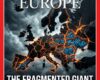
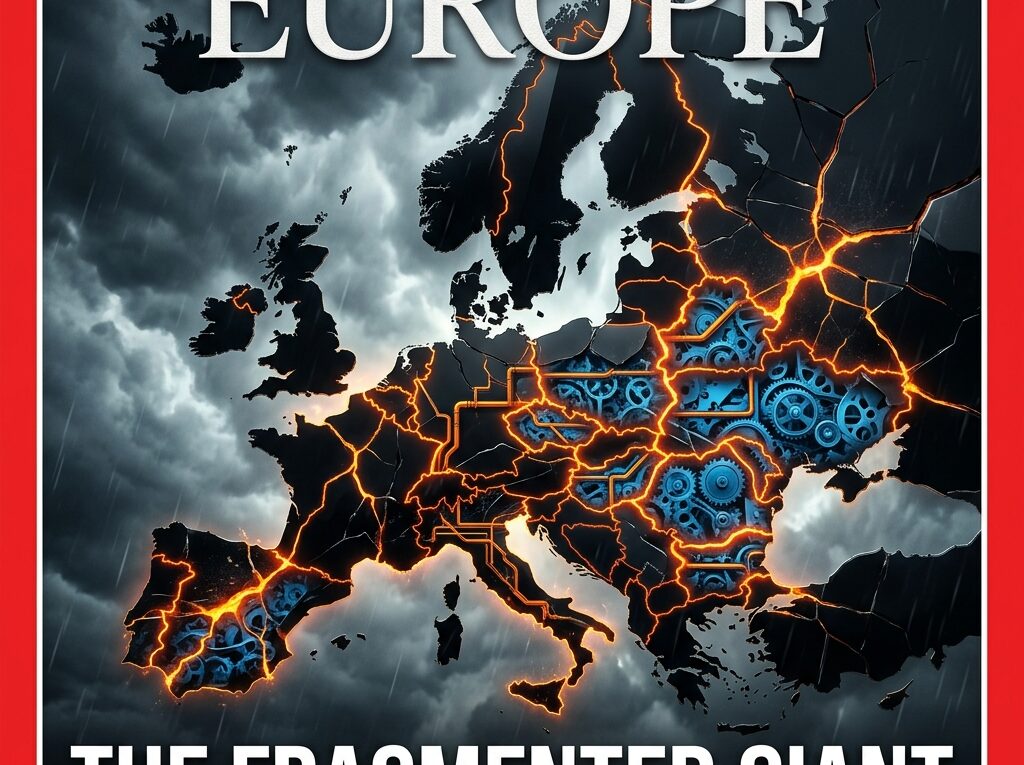
The European strategic sphere stands at a critical intersection of transatlantic trade tensions, energy market volatility, and deepening internal political instabilities. Current data suggests that the European Union (EU) is neither pivoting toward full strategic autonomy nor maintaining its existing alliance structures without significant friction. Instead, a period defined as “fragmented crisis management” has emerged, where actors prioritize domestic political and economic imperatives. Government crises in Germany and Romania, in particular, are weakening collective decision-making mechanisms, while energy security uncertainties are driving up risk premiums ahead of the winter season.
Trade and Economic Tensions: The Tariff Threat on the Transatlantic Line
The US administration’s threat to impose a 25% tariff on EU automotive imports signals a new phase in trade hostilities. The delay in the EU’s ratification of the expected trade deal has prompted Washington to deploy its leverage. This poses a structural shock risk to the automotive sector—the engine of the European economy—and carries the potential to trigger inflationary pressures. Based on economic indicators, Brent Oil trading at $100.41 (1.82% below the 30-day average) provides short-term breathing room in energy costs, yet these gains are overshadowed by the risks of trade sanctions.
Deepening Gaps in Security and Defense Architecture
Europe’s defense capacity faces a new test with the US decision to reduce its military presence in Germany. The German Ministry of Defense’s public acknowledgment of gaps in long-range strike capabilities confirms the vulnerability in continental security. Poland’s demand to increase defense spending to 5% of GDP by 2030 inflames the debate over burden-sharing within the alliance. On the industrial front, Rheinmetall’s €12 billion bid to rescue a troubled warship project highlights the immense costs associated with the necessary consolidation of the defense industry.
Energy Security: Volatility and Tactical Dependencies
The European natural gas market faces high volatility due to risks of supply disruptions in the Middle East. Market bets that gas prices could double to $117/MWh by winter are fueling supply security concerns. Natural gas prices (NATG) at $2.79 represent a 2.99% increase above the 30-day baseline. The EU’s record import of Yamal LNG (91 cargoes) just before the implementation of a phased ban illustrates the dilemma between theoretical policy and practical necessity. Germany’s move to seek jet fuel from Israel due to disruptions in the Strait of Hormuz is a concrete example of how energy routes have become fragile and reactive.
Political Instability: Erosion of Decision-Making Mechanisms
Rising internal political tensions across Europe are paralyzing strategic decision-making capacities. The collapse of the Romanian government demonstrates the eroding “firewall” between mainstream politics and the far-right in Central and Eastern Europe. In Germany, Chancellor Merz’s rejection of a minority government and the potential collapse of the coalition are pushing Europe’s largest economy into a governance crisis. Amidst this political weakness, the European Council’s preparations for potential negotiations with Russia have been met with rejection from Moscow, which disregards the EU as a mediator, thereby creating a diplomatic vacuum.
The Bottom Line: Strategic Conclusion and Outlook
Europe has entered a cycle of fragmented reactions rather than systematic integration or rupture. Trade pressures, the cost of closing defense gaps, and speculative surges in energy prices threaten the continent’s competitiveness. For decision-makers, the primary risk is that domestic political crises—as seen in Germany and Romania—will delay responses to external shocks, leaving Europe as a passive actor in the global power competition.
INTERNAL STRATEGIC BRIEF
Current Situation Panorama
The European strategic theatre has transitioned into a fragmented crisis management phase. This phase is characterized by nation-states attempting to secure their own political survival and energy supplies rather than a unified European macro-response.
| Sector | Critical Signal | Strategic Weight | Impact Analysis |
| Trade | US 25% Auto Tariff | HIGH (8.5) | Structural downsizing in German auto giants and rupture in EU-US ties. |
| Defense | Poland 5% GDP Demand | MEDIUM (6.5) | Pressure on NATO cost-sharing and budget discipline conflict. |
| Energy | $117/MWh Gas Bet | HIGH (9.0) | Unpredictable industrial cost spikes and stagflation risk pre-winter. |
| Politics | Romania Govt Collapse | MEDIUM (7.0) | Increased instability on the Eastern flank and far-right infiltration. |
Strategic Assessment
- Economic Anchor: While Oil at $100.41 (1.82% below 30-day avg) provides a temporary buffer, Natural Gas trading 2.99% above its 30-day baseline increases pressure on energy-intensive industries.
- Defense Gap: US troop reductions and Germany’s capability deficit turn consolidation demands from actors like Rheinmetall into “national security” imperatives.
- Diplomatic Gridlock: Russia’s refusal to recognize the EU as a mediator confirms that negotiation processes can only occur at a bilateral level or via the Washington-Moscow axis.